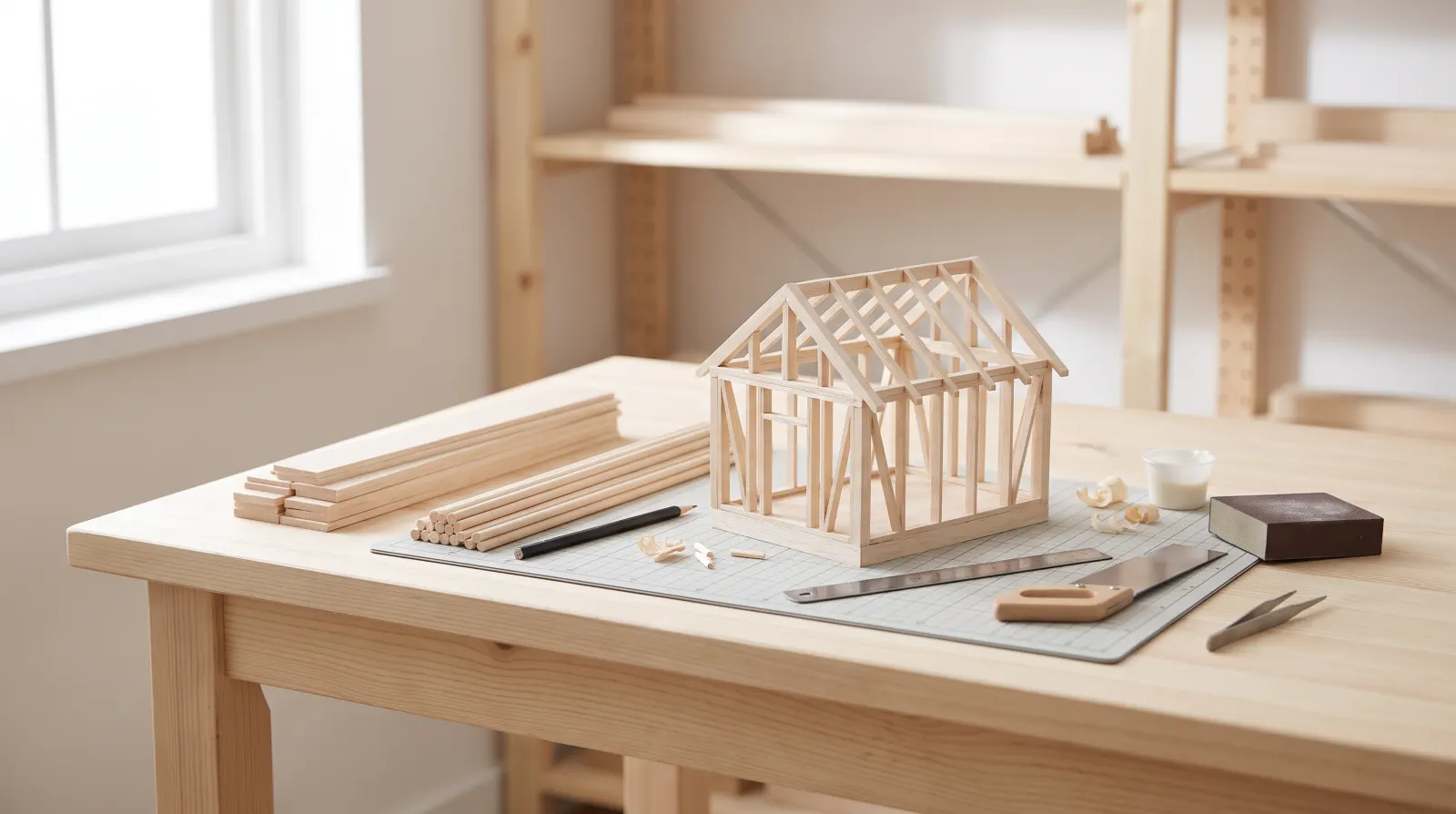
Early access means buying a game before it is finished. The developer sells a working but incomplete version, keeps building it in public, and uses the money and feedback to get it over the line. It is not a demo and not a pre-order: you play now, and the game changes underneath you.
When it works, it works brilliantly. Subnautica spent years in early access before its full release in 2018. Baldur's Gate 3 launched in early access in 2020 and was finished in 2023. Valheim arrived in early access in 2021 and has been expanded through large free updates since. But for every success there are projects that slow down, change direction or stop altogether. You are backing a team as much as buying a product.
What you are actually buying
- Missing content. Whole areas, story chapters or features may not exist yet.
- Rough edges. Bugs, placeholder art and unbalanced systems are normal.
- Change. Mechanics you enjoy can be reworked. Updates can occasionally break or reset save files.
- No guarantee of a finish. The developer intends to complete it, but intent is not a contract.
Five checks before you buy
1. Read the developer's own statement. On Steam, early access games carry a short section in which the developer explains why the game is in early access, roughly how long they expect it to stay there, and how the full version will differ. Vague answers are a warning; specific ones are a good sign.
2. Look at the update history, not the roadmap. A roadmap is a promise. The news and patch notes are evidence. Scroll back through them: are updates regular, substantial and explained clearly? A long silence followed by a cheerful "big things coming" post deserves caution.
3. Sort reviews by most recent. Overall review scores can be dragged up or down by a version of the game that no longer exists. Recent reviews tell you what it is like today, and whether players think the developers are listening.
4. Judge the game as it is now. This is the most important rule. Ask yourself: would I be happy with this purchase if it never received another update? If the answer is yes, buy with confidence. If you are paying for what it might become, you are taking a risk, and you should be comfortable with that.
5. Check how the team talks to players. Active, honest community posts, including admissions of delay, are a better sign than polished trailers.
Is it cheaper to buy early?
Sometimes. Some developers raise the price when the game leaves early access, to reflect the extra content; others keep it the same. Don't assume either. And remember the other cost: if you play a story-driven game to death in early access, the finished version may feel less fresh when it finally arrives.
Which games suit early access best?
Sandbox, survival, building and multiplayer games tend to fare best, because they are fun to return to as new systems arrive. Strongly story-led games are harder to enjoy piecemeal; many players sensibly wait for those.
When to buy in
- Now, if the current version already gives you hours of enjoyment, or you want to play with friends who are already in.
- Later, if the story matters most to you, or the update history is patchy.
- At 1.0, if you simply want the finished thing. There is no shame in waiting.
One practical note: buying early does not change your refund rights with a shop. Our guide to digital refunds in the UK covers how those usually work.
Read next: Game subscriptions and monthly bundles: how they work and when owning is better